
Three critical keyword research trends you must embrace
[ad_1]

30-second summary:
- Exact-match keywords are useful for researching patterns and trends but not so much for optimization purposes
- When optimizing for keywords, optimize for intent and solve problems, don’t just match your page to the keyword
- Brand-driven keywords should be your top priority because you cannot control SERPs but you can rank assets that will drive people back to your site
- Instead of focusing on keyword strings, research your niche entities and find the ways to associate your business with those through on-site content and PR/link building efforts
If you ask an SEO expert to name one SEO tactic that has changed the most over the years, they are likely to confidently answer “link building.” Some will point out to “technical tasks”, and very few will ever think of “keyword research.”
The truth is, most SEO tasks look completely different these days but few SEO experts have changed the fundamental way they do keyword research and optimize content for those keywords.
Yes, we seem to have finally left keyword density behind (unless Google forces it back) but fundamentally nothing has changed: We run keyword tools, find relevant keyword strings and use them as much as we can throughout a dedicated page.
In the meantime, Google’s understanding and treatments of keywords has changed completely.
1. Exact-match keywords are getting obsolete
Google has a long history of trying to understand search queries beyond matching word strings in them to the documents in the search index.
And they succeeded.
It started years ago with Hummingbird being first quietly introduced then officially announced in August of 2013.
Yet, few SEOs actually understood the update or realized how much of a change to everything they knew it was.
With Hummingbird Google made it clear that they were striving for a deeper understanding of searching journeys and that would ultimately fix all their problems. As they manage to know exactly what a searcher wants and learn to give them that, no fake signals or algorithm manipulations will impact their search quality.
Hummingbird was the first time Google announced they wanted to understand “things” instead of matching “strings of words.” In other words, with Hummingbird exact-match keyword strings started becoming less and less useful.
Then, after Hummingbird came BERT that helped Google to enhance its understanding of how people search.
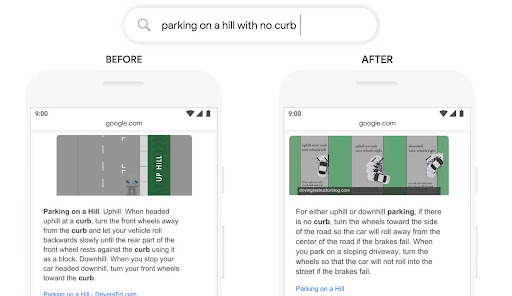 Image source: Google
There’s a short but pretty enlightening video on the struggles and solutions of Google engineers trying to teach the machine to understand the obvious: What is it people mean when typing a search query?
That video explains the evolution of SEO perfectly:
- Context is what matters
- Google is struggling, yet slowly succeeding at understanding “context, tone and intention”
- Search queries are becoming less predictable as more and more people talk to a search engine they way they think
- Stop words do actually add meaning, and are often crucial at changing it.
The takeaway here: Keyword research tools are still useful. They help you understand the patterns: How people tend to phrase a query when looking for answers and solutions in your niche.
But those keywords with search volume are not always what people use to research your target topic. According to Google, people search in diverse, often unpredictable ways. According to Google, on a daily basis 15% of searches are ones Google hasn’t seen before.
Every day Google encounters 15% of completely new search queries. That’s how diverse searching behaviors are.
Moving away from keyword matching, Google strives to give complete and actionable answers to the query. And that’s what your SEO strategy should be aiming at doing as well.
Whatever keyword research process you’ve been using is likely still valid: It helps you understand the demand for certain queries, prioritize your content assets and structure your site.
It’s the optimization step that is completely different these days. It is no longer enough to use that word in the page title, description and headings.
So when creating an optimization strategy for every keyword you identify:
- Try to figure out what would satisfy the search intent behind that query: What is it that searcher really looking for? A list? A video? A product to buy? A guide to follow? Even slight changes in a searchable keyword string (e.g. plural vs singular) can signal a searching intent you need to be aware of.
- Search Google for that query and look through search snippets: Google is very good at identifying what a searcher needs, so they generate search snippets that can give you lots of clues.
Notice how none of the high-ranking documents has that exact search query included:
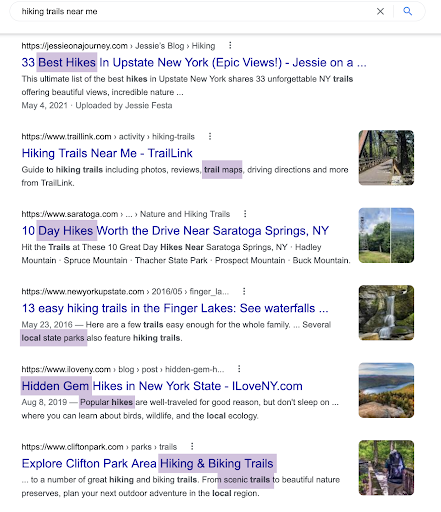 Image source: Screenshot made by the author
2. Branded keywords are your priority
More and more people are using search to navigate to a website, and there are several reasons for that:
- A few strongest browsers allow people search from the address bar (those include Safari on both desktop and mobile and, obviously, Google Chrome)
- People are getting used to voice searching, so they just speak brand names to perform a search.
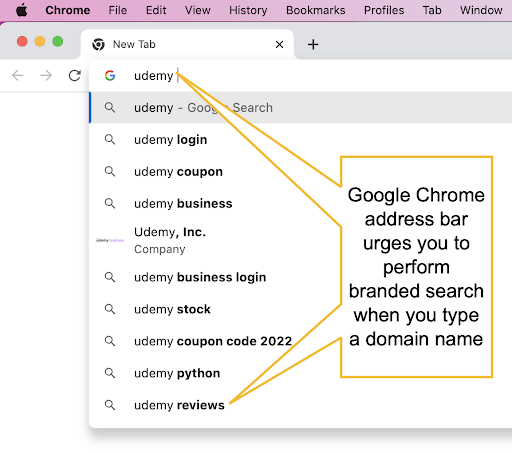
Image source: Screenshot made by the author
In other words, your customers who likely know about your brand and are possibly ready to make a purchase – those hard-earned customers are forced to search for your brand name or for your branded query.
And what will they see?
It is astounding how many companies have no idea what comes up for their branded search, or how many customers they lose over poorly managed (or more often non-existent) in-SERP reputation management.
There are three crucial things to know about brand-driven search:
- These are mostly high-intent queries: These searchers are typing your brand name intending to buy from you
- These are often your existing, returning customers that tend to buy more than first-time customers
- Both of the above factors make these your brands’ top priority.
And yet, you don’t have control over what people see when searching for your brand. In fact, monitoring and optimizing for those brand-driven queries is not a one-time task. It is there for as long as your brand exists.
- Treat your brand name as a keyword: Expand it, optimize for it, monitor your site’s rankings
- Identify deeper level problems behind your customers’ brand-driven searching patterns: What is it you can improve to solve problems behind those queries?
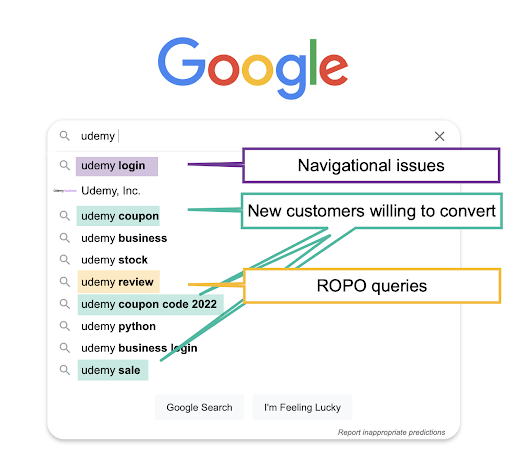 Image source: Screenshot made by the author
Your branded search queries should become part of your sales funnel – everything from About page to product pages and lead magnets should capture those brand-driven opportunities.
In many cases, when you see a large amount of brand-driven keywords, you may need a higher level approach, like setting up a standalone knowledge base.
3. Entities are key
Entities are Google’s way to understand this world.
Entities are all proper names out there: Places, people, brands, etc.
Google has a map of entities – called Knowledge Graph – that makes up Google’s understanding of the world.
Entities help Google understand the context and the search intent.
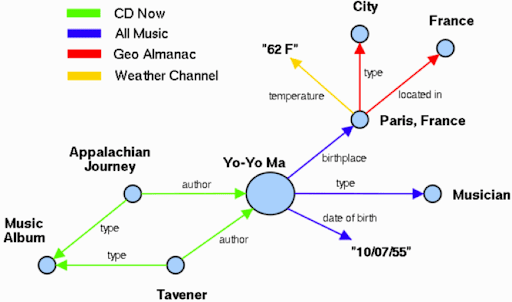 Image search: The beginner’s guide to semantic search
Being Google’s entity means coming up in searches where you were implied but never mentioned:
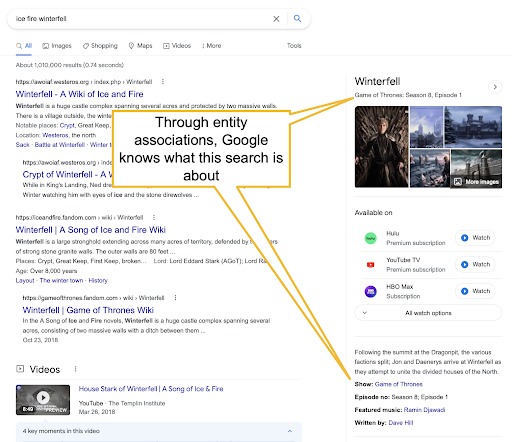 Image source: Screenshot made by the author
Through entity associations, Google knows what any search is about.
Entities should be the core of your keyword research process: What are known entities is your niche and how do you associate your brand with those entities?
Conclusion
Search engine optimization is evolving fast, so it requires an agile strategy for brands to keep up. If you are doing keyword research the old, exact-match, way, your business is about 10 years behind!
Ann Smarty is the Founder of Viral Content Bee, Brand and Community manager at Internet Marketing Ninjas. She can be found on Twitter @seosmarty.
Subscribe to the Search Engine Watch newsletter for insights on SEO, the search landscape, search marketing, digital marketing, leadership, podcasts, and more.
Join the conversation with us on LinkedIn and Twitter.
[ad_2]
Source link