
Using a Pawn Loan as a Short-Term Bridge (Without Wrecking Your Budget)
Life loves a surprise bill.
Not the fun kind. Not the “your package has shipped early” kind. The kind that shows up wearing steel-toed boots and standing on your last nerve: a car repair, a medical copay, a busted phone, a utility notice that reads like a threat.
When you’re short on cash, the real danger isn’t just the expense—it’s the panic. Because panic is expensive. Panic is where people make money decisions that keep charging interest long after the original problem is gone.
So let’s talk about a tool that can work as a bridge—not a trap—when you use it on purpose: a pawn loan.
Not a lecture. Not a sales pitch. Just a practical, budget-friendly way to think about pawn loans when you need cash fast and want to stay in control.
A bridge, not a lifestyle
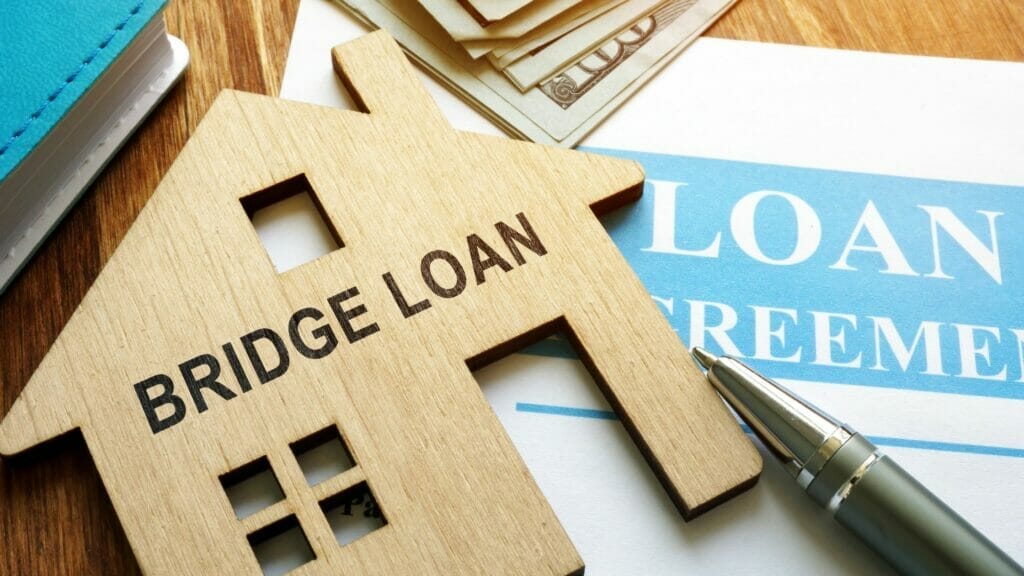
A pawn loan works best when you treat it like a temporary plank over a small financial gap. You don’t build a house on a plank. You use it to get safely to the other side.
That means your goal isn’t “get cash today.”
Your goal is “solve the problem today and still be okay next month.”
If you can keep that sentence in your head, you’re already ahead of the game.
Step 1: Define the real emergency (and the number)
Before you do anything, answer two questions:
- What is the actual emergency?
(Example: “I need $240 to keep my power from being disconnected.”) - What’s the smallest amount that fixes it?
Not “what would be nice.” Not “what would make me feel better.”
Just the number that handles the problem.
Write it down. Seriously. A sticky note is fine.
Because “I just need some cash” is how you accidentally borrow more than you need—and then wonder why the bridge turned into a toll road.
Step 2: Choose an item you can live without (for now)
The best pawn loan item is:
- valuable enough to cover your gap
- easy to evaluate
- something you won’t need daily
For many people, that’s jewelry, certain electronics, tools, or collectible items.
What you’re not looking for is an item that will cause a second emergency because you need it for work, school, or basic life. If pawning it creates a new problem, it’s not a bridge—it’s a boomerang.
Step 3: Make the repayment plan before you walk in
Here’s the truth:
A pawn loan isn’t what wrecks budgets. Ambiguity does.
So do this first:
The Two-Line Plan
- Date I can repay: ______
- Where that money will come from: ______
Maybe it’s a paycheck. Maybe it’s a tax refund. Maybe it’s a gig. Maybe it’s selling something you’ve been meaning to list anyway.
If you can’t name a reasonable source, pause and reassess. Not because pawn loans are “bad,” but because any borrowing with no plan gets weird fast.
Step 4: Borrow less than you could (on purpose)
Pawn loans are secured by the item, so you’re not borrowing based on a credit score. That’s helpful.
But it can also make it tempting to say yes to the maximum offer.
Instead, borrow the amount that matches your sticky note number.
This is how you avoid paying costs on money you didn’t need in the first place.
Step 5: Treat the loan like a bill you already owe
When you use a pawn loan as a bridge, you’re basically making a deal with your future self:
“Hey. I’m taking care of today. You take care of pickup.”
So once you leave the shop, act like the repayment is already a scheduled bill. Put it on your calendar. Set a reminder. If you’re a paper person, write it on the fridge.
The big win here is that you’re choosing structure over stress.
Step 6: Build a tiny “next time” cushion (even $10 helps)
After you close the loop—after you redeem your item—take a small victory lap. Not with a shopping spree. With a tiny buffer.
Even $10 per paycheck into a “surprise bill” envelope is a start.
Because the real flex isn’t never needing a bridge.
It’s slowly building your own road.
What to expect from a local pawn loan (so you don’t feel awkward)
If you’ve never used a pawn loan, a lot of fear comes from not knowing what the process looks like.
A reputable shop will walk you through it clearly: what your item is worth, what the loan terms are, what your options are for repayment or extension, and what happens if you don’t redeem the item.
If you’re in Ocala and want a straightforward explanation of the process, this page lays out the basics of local pawn loans and what to bring, without making it complicated: https://shorespj.com/pawn-loans-ocala-florida/?utm_source=glittertextlive&utm_medium=guest_post
(Reading it before you go in can help you feel less “new” and more “prepared,” which is the whole point.)
A pawn loan can be a smart move—when you stay the boss
Sometimes the smartest financial decision isn’t the one with the fanciest spreadsheet.
It’s the one that:
- solves the immediate problem
- keeps you out of worse debt
- doesn’t follow you around for the next 12 months
A pawn loan can do that—if you use it like a bridge, with a plan, and with a number.
Because you don’t need perfect finances.
You just need the next right move… and a way to cross the gap without falling in.